Why Email Classification Is Essential for High-Performing Customer Service Teams
Customer service teams frequently handle some of the highest and most complex email volumes within an organisation. Every day, they receive enquiries ranging from account questions and service requests to technical issues, complaints, and urgent escalation cases. Without a structured method for organising these messages, teams often face challenges such as:
-
Emails landing in the wrong queue
-
Delayed or inconsistent responses
-
Missed SLAs and frustrated customers
-
Time lost manually sorting or searching through inboxes
These issues compound quickly in fast-paced environments, creating bottlenecks that directly impact customer satisfaction.
The Role of Email Classification
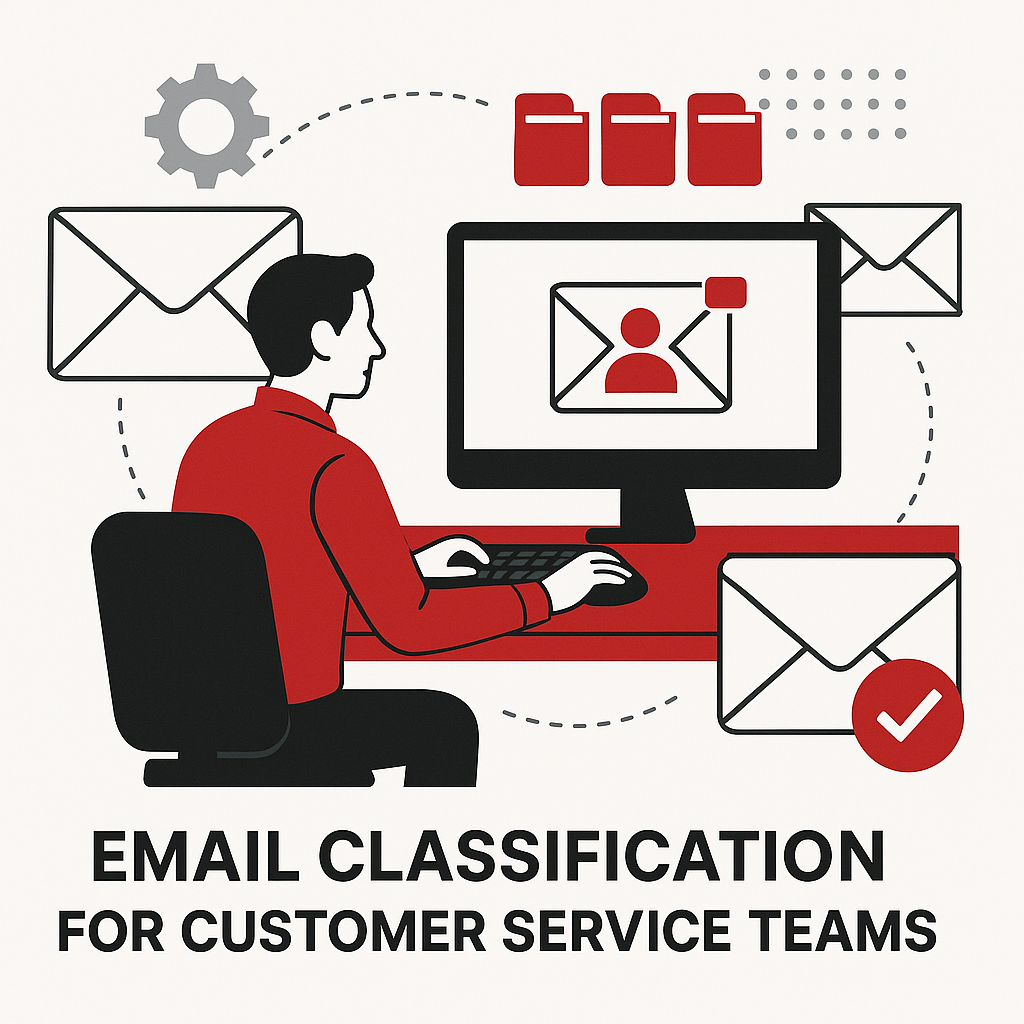
Email classification provides a systematic approach to managing incoming enquiries by automatically categorising messages based on their contents, sender type, urgency, or workflow requirements. Instead of relying on manual triage, classification technology ensures every message is identified, prioritised, and routed intelligently.
A well-implemented classification system improves customer service excellence in several key ways:
1. Faster Response Times
By automatically routing emails to the appropriate team, skill group, or specialist, classification removes delays caused by manual sorting. Agents receive the right enquiries at the right time, enabling them to respond more quickly and consistently.
2. Greater Process Consistency
When similar enquiries follow the same structured workflow, customers receive a predictable and reliable experience. Classification ensures that no matter who is working the inbox, enquiries are processed according to your organisation’s standards.
3. Deeper Reporting Insights
With enquiries categorised accurately, leaders gain clearer visibility into:
-
trending issue types
-
seasonal or event-driven spikes
-
agent performance
-
workload distribution
-
customer pain points
This data strengthens operational forecasting, resource planning, and strategic decision-making.
4. Reduced Manual Effort
Without classification, teams spend valuable time simply identifying what each email relates to. Automated categorisation dramatically reduces this manual effort, freeing teams to focus on resolving issues rather than sorting them.
5. Improved Compliance and Auditability
In regulated environments — such as finance, utilities, insurance, or healthcare — maintaining complete and organised records of customer interactions is essential. Email classification creates a clear, auditable trail that documents how enquiries are handled, escalated, and resolved.
This supports governance requirements, protects the organisation during audits, and ensures compliance with internal and external standards.
Why Email Classification Matters More Than Ever
With customer expectations at an all-time high, organisations can no longer rely on traditional inbox management. Customers expect fast, accurate, and personalised responses — and slow or inconsistent service erodes trust quickly.
Email classification isn’t just an operational improvement. It’s a strategic investment in customer experience, enabling teams to scale effectively, respond faster, and deliver the level of service today’s customers expect.
If improving customer service efficiency, email routing, or workflow automation is on your agenda, we’d love to help.
Engeneum’s intelligent solutions can streamline your processes, reduce manual workload, and give your teams the tools they need to deliver outstanding customer experiences. Get in touch to explore how Engeneum can transform your customer service operations.